PAHNA – California | August 3, 2026
California has joined 24 other states in a federal lawsuit challenging the Trump administration’s latest round of tariffs on imports from countries around the world.
According to Reuters, the 25 states filed the lawsuit on August 3 in the U.S. Court of International Trade, arguing that the administration exceeded its legal authority when imposing the latest tariffs.
The new tariffs were announced after the Trump administration imposed additional duties on imports from dozens of trading partners. Reuters reported that the latest measures include tariffs of 10% and 12.5% on imports from 60 trading partners, with the administration citing concerns related to forced labor in manufacturing.
California Attorney General Rob Bonta, who is leading the legal challenge with other state attorneys general, argues that the tariffs could increase costs for American consumers and businesses.
In a statement announcing the lawsuit, the California Attorney General’s Office said the tariffs could make everyday goods and business inputs more expensive. The state contends that the federal government has used trade authority in a way that exceeds the limits established by Congress.
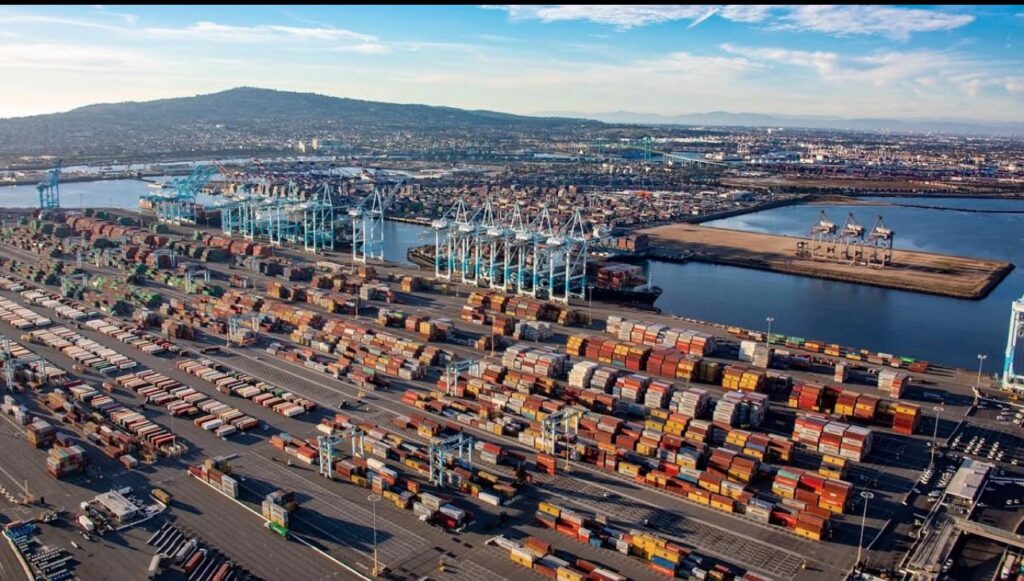
The economic stakes are particularly significant for California because the state has one of the largest and most internationally connected economies in the United States. California businesses rely heavily on global supply chains, international trade and imports of materials and finished products.
Higher import costs can affect companies in several ways. Businesses that depend on imported components may face higher production costs, while retailers may have to pay more for products entering the U.S. market. Companies can respond by absorbing some of the additional costs, reducing expenses or passing some of the increase on to consumers through higher prices.
The lawsuit also reflects a broader legal and political dispute over presidential authority to impose tariffs.
Reuters reported that the states’ challenge follows earlier legal battles over the administration’s tariff policies. The latest case will determine whether the administration’s use of Section 301 of the Trade Act of 1974 provides sufficient legal authority for the new tariffs.
For California consumers and businesses, the outcome could have significant economic consequences. A decision affecting the tariffs could influence the prices of imported products, the cost of business operations and the competitiveness of companies that depend on international trade.